







Search Results for: Robusta genes
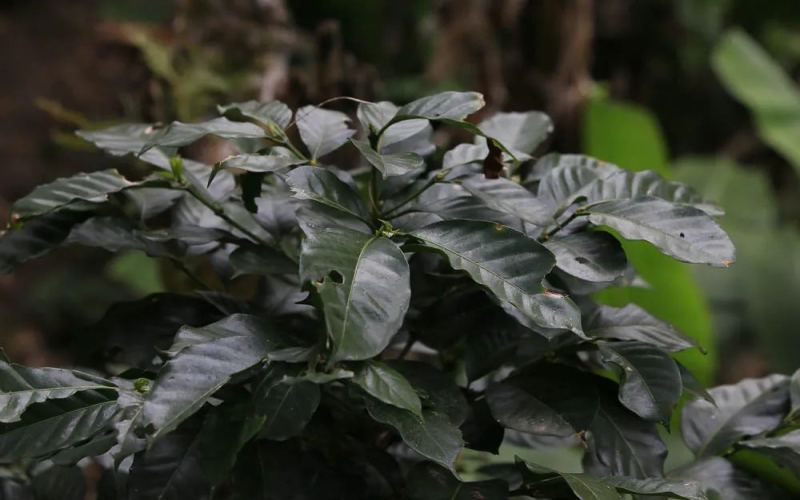
A Comprehensive Analysis of the Catimor Coffee Variety: The Robusta Genes Behind Its Disease Resistance and High Yield, and the Flavor Controversy
Catimor is a coffee variety bred by crossing Timor and Caturra. Developed in 1959 by CIFC in Portugal, it is known for its disease resistance and high yield, and is widely planted in Central and South America. It inherits the Robusta genes of Timor, giving it extremely strong resistance to leaf rust and berry disease. The plant is short and compact, suitable for dense planting, and its yield far exceeds that of traditional varieties. Currently, 99% of Yunnan's coffee production comes from Catimor. However, the Robusta genes also bring controversy in terms of flavor—when grown at high altitudes, its cupping performance is noticeably inferior to varieties such as Bourbon and Caturra, and the increased chlorogenic acid content brings bitterness and an unpleasant acidity. This article will provide a comprehensive analysis of Catimor's varietal origins, plant characteristics, and flavor controversies, and, using the high-mountain Catimor of Lujiangba in Baoshan, Yunnan as an example, combined with Front Street Coffee's roasting recommendations, explore this variety's positioning and value in the specialty coffee era. [more…]
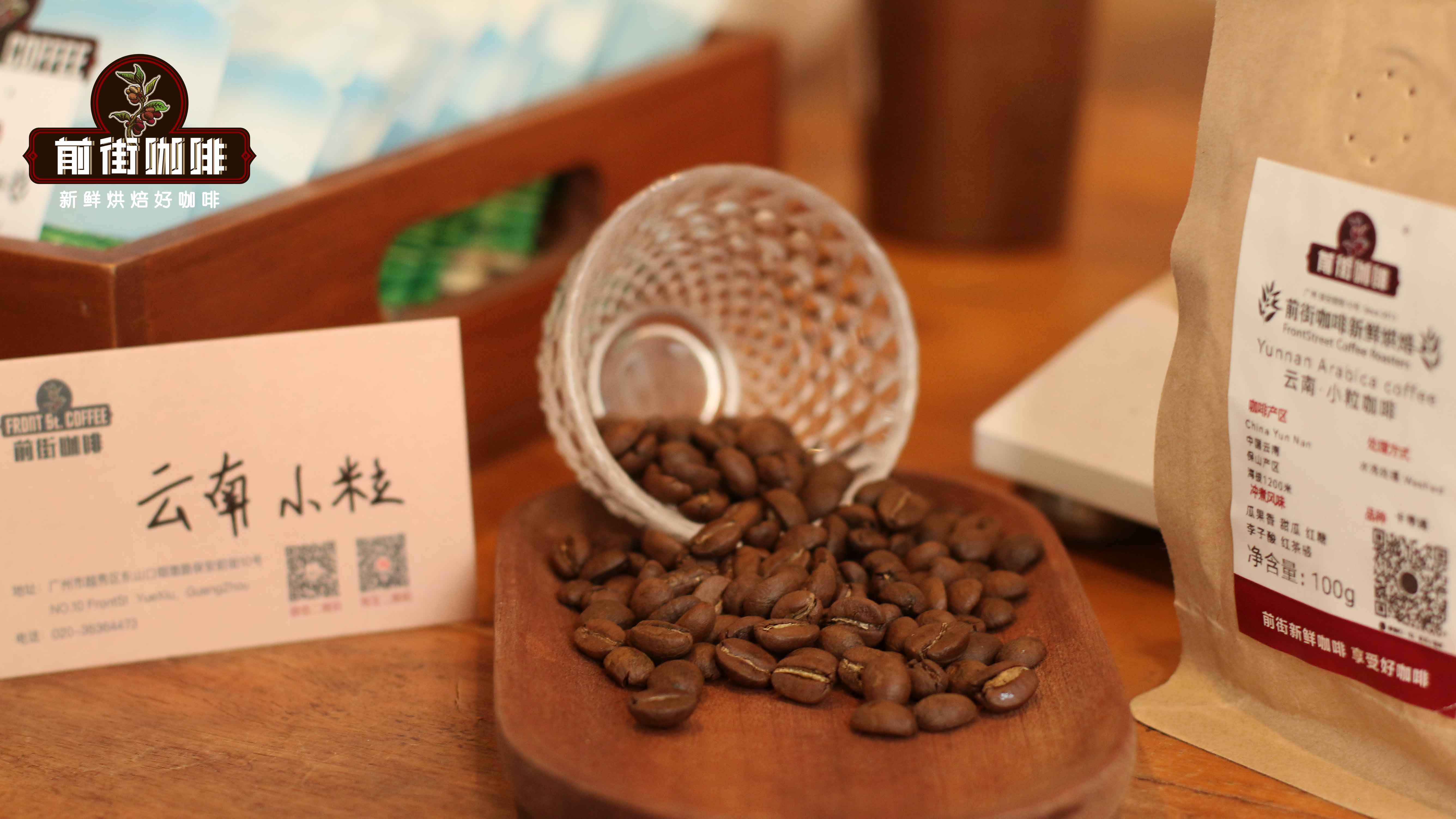
How to identify Catimor coffee beans by appearance and their flavor characteristics: the defects and advantages brought by Robusta genes
Catimor is a hybrid of Arabica and Robusta, widely cultivated for its disease resistance and high yield, and it dominates production in Yunnan in particular. However, its Robusta lineage also brings controversy in terms of flavor—it is often criticized for lacking aroma and for having grassy and earthy notes. This article will start with Catimor's physical characteristics, analyze how it differs from pure Arabica varieties, and explore its cupping performance at different altitudes. At the same time, we will also introduce the specific flavors of Front Street Coffee's Yunnan small-bean coffee and the brewing methods it suits, helping enthusiasts gain a more comprehensive understanding of this variety's strengths and weaknesses. [more…]
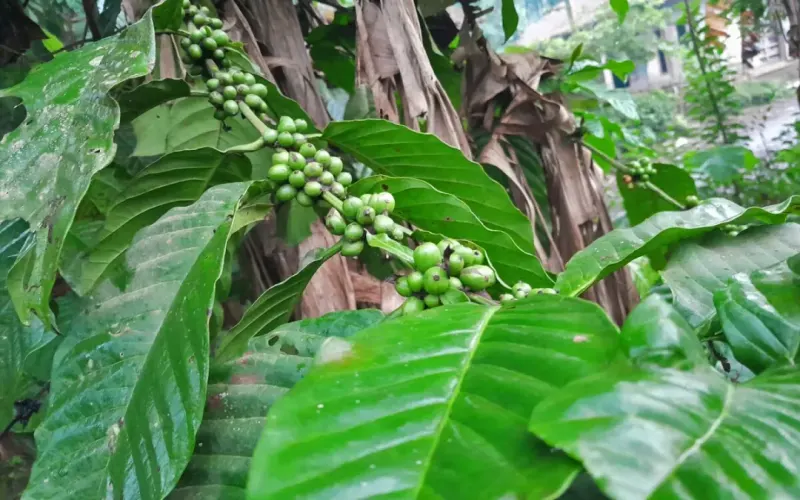
What Are the Flavor Differences Between Robusta and Arabica? An Analysis of the World's Premium Robusta Origins
Front Street Coffee is often asked: Why can Robusta be grown on a large scale in places like Vietnam? Don't all coffees require high altitude? What does it actually taste like? When Vietnamese coffee is brewed with Robusta, why doesn't it taste bad? In this article, Front Street Coffee will take a systematic look at Robusta coffee beans. From a botanical perspective, Robusta and Arabica differ significantly in growing conditions and resistance to disease and pests, and these differences directly affect the flavor in the cup. The article will also introduce Catimor, a hybrid of the two, and analyze how Vietnamese coffee is brewed, helping enthusiasts gain a comprehensive understanding of Robusta's value and characteristics. [more…]
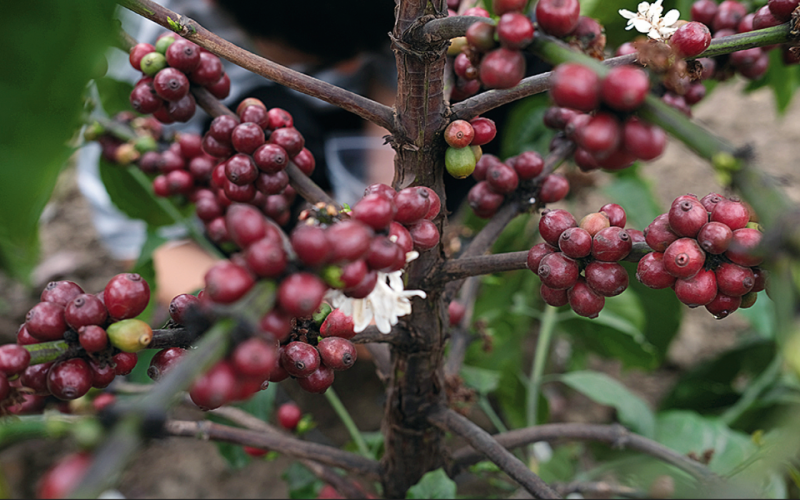
Catimor Coffee Bean Variety Analysis: Yunnan's Main Cultivated Variety Blending Arabica and Robusta Genes
Catimor is the most widely planted coffee variety in Yunnan, accounting for the vast majority of the region's total coffee output. This variety was developed by the Portuguese Coffee Rust Research Center. Although classified as Arabica, it carries one-quarter Robusta lineage. It combines disease resistance and high yield with balanced flavor, but its Robusta genes also result in a lack of higher-order aromatics. The Yunnan everyday coffee launched by Front Street Coffee is made from Catimor grown in the Baoshan region, processed by the washed method to present the typical taste of Yunnan. This article will take an in-depth look at Catimor's varietal origins, flavor characteristics, and processing methods, and share the brewing parameters and tasting experience of Front Street Yunnan small-bean coffee. [more…]
What Grade Does Robusta Coffee Belong To? An Analysis of the Flavor Differences Between Indian Specialty Robusta and Arabica
Robusta is often labeled as low-end, but the truth is not so simple. It originated in the Congo in West Africa, grows quickly, and has strong resistance to extreme climates, pests, and diseases. Its caffeine content is about twice that of Arabica, and it accounts for roughly 30% of global production. Front Street believes that high-quality Robusta can even taste better than inferior Arabica. Robusta is mostly used in espresso blends to enhance body and crema; Front Street's commercial espresso blend, for example, includes 10% Robusta. This article will sort out Robusta's origins, identification methods, advantages and disadvantages, analyze the Catimor hybrid variety, and introduce how Indian specialty Robusta is overturning traditional impressions. [more…]
Analysis of Robusta and Arabica Hybrid Varieties: Introduction to Timor, Catimor, Castillo, and Yunnan Small-Bean Catimor
The coffee world is mainly divided into three major species: Arabica, Robusta, and Liberica, with the first two dominating commercial cultivation. Robusta originated in Congo, West Africa, and has strong adaptability, high caffeine content, a full-bodied flavor, and rich oils, and is often used in espresso blends and instant coffee. To incorporate its disease-resistant genes, coffee breeders crossed Robusta with Arabica, giving rise to a series of varieties such as Timor Hybrid, Catimor, and Castillo. This article will analyze the origins and characteristics of these varieties one by one, and introduce the Yunnan small-bean Catimor produced by Front Street Coffee, guiding you through the complete thread from variety to cup. [more…]

A Comprehensive Analysis of the Flavor Differences and Identification Methods of the Three Major Coffee Varieties: Arabica, Robusta, and Liberica
There are three main native varieties in the coffee world: Arabica, Robusta, and Liberica. Arabica dominates the specialty coffee mainstream with its elegant flavors, Robusta is known for its high caffeine content and full-bodied taste, while Liberica has scarce production and a unique flavor. Front Street Coffee has been involved in coffee cultivation since entering the industry and owns its own plantations. Currently, its sales are mainly Arabica, with Robusta used only for espresso blends. This article will systematically sort out the characteristics of the three major varieties and provide an in-depth introduction to many sub-varieties such as Typica, Bourbon, Geisha, Caturra, and Catimor, as well as their flavor performance, helping coffee lovers fully understand the mysteries and identification techniques of coffee bean varieties. [more…]
A Comprehensive Guide to Specialty Robusta Coffee Beans: From Variety Origins and Flavor Characteristics to Major Producing Regions and Brewing Suggestions
Robusta is often overlooked in the world of specialty coffee, but is it truly destined to have no place among good coffee? This article will take you through a comprehensive look at Robusta's varietal origins, botanical characteristics, flavor profile, and major producing countries. From Vietnam's commercial blends to the unique terroir of Indonesia's Mandheling, Robusta genes play an irreplaceable role. The article also specifically shares Front Street Coffee's practical brewing parameters and freshness recommendations for Mandheling, helping you understand varietal differences while also brewing a rich, full-bodied cup of good coffee. [more…]
The Varietal Identity and Flavor Code of Catimor: Where Does the "Devil's Aftertaste" Under Its Arabica Lineage Come From?
Is Catimor actually Arabica or Robusta? And how exactly is its "devilish aftertaste" formed? This article begins with the background of Catimor's birth, sorting out the hybrid origins and genetic makeup of this variety, and confirming its classification as having three-quarters Arabica bloodline. It also introduces Catimor's plant characteristics in detail, including tree shape, leaves, and stress resistance, and provides an in-depth analysis of the earthy aftertaste that Robusta genes bring to the flavor, as well as how factors such as high yield and early maturity compound to dilute excellent flavors and amplify undesirable aftertastes. The article also mentions Front Street Coffee's expectations for future improvement of Catimor. [more…]

Robusta Coffee Flavor Analysis: A Comprehensive Interpretation from Variety Origins to Instant Coffee Ingredients
When many people first learn about coffee, they often hear variety names like Arabica and Robusta, yet they may not clearly understand the essential differences between them. From the perspective of Front Street Coffee, this article systematically sorts out the origin and classification of Robusta coffee, its main producing regions, flavor characteristics, cultivation advantages and disadvantages, and explains why it has become an important raw material for instant coffee and commercial blends. At the same time, it compares Arabica varieties to help coffee enthusiasts understand the key differences between the two major varieties in terms of altitude requirements, disease resistance, caffeine content, and cup performance, so as to gain a more comprehensive understanding of every cup of coffee they drink daily. [more…]
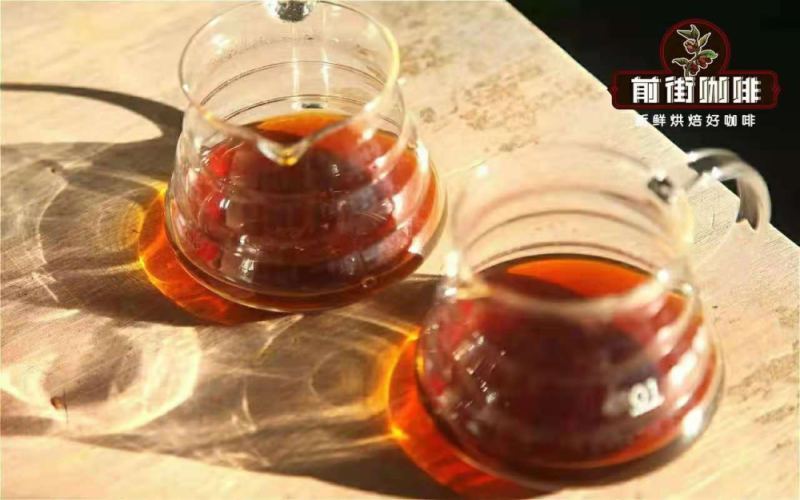
How are Coffea canephora Robusta coffee beans roasted? What coffee beans does Starbucks use?
In the world of coffee, the two major species, Arabica and Robusta, underpin the flavors in most people's cups. Robusta, also known as Coffea canephora, originated in the Congo Basin of Africa. It is widely cultivated because it tolerates low altitudes, resists pests and diseases, and yields high harvests, and it often appears in instant coffee and espresso blends. Its caffeine content is about twice that of Arabica, its chlorogenic acid is higher, and its flavor tends toward the full-bodied and deep, with notes of walnut, peanut, and grain. This article from Front Street Coffee sorts out Robusta's origins, botanical classification, advantages, and shortcomings, and retains the information on the Vietnamese Robusta beans used in Front Street's commercial blends, helping coffee enthusiasts understand this bean more clearly for what it really is. [more…]
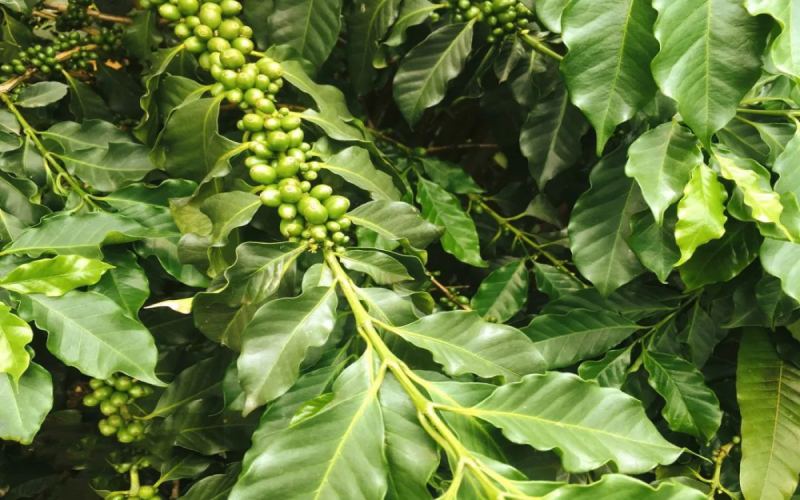
Yunnan Small-Bean Coffee Varieties Explained: The Difference Between Catimor and Typica and Front Street Coffee's Bean Selection Approach
Yunnan small-bean coffee is actually a general term for the Arabica species, used to distinguish it from the medium-bean Robusta grown in Hainan. At present, the vast majority of Yunnan's producing regions grow the disease-resistant, high-yield Catimor, while a small amount of Typica and Bourbon is still retained around Baoshan. This article traces the evolution of coffee cultivation in Yunnan over more than a century, from the first Typica planted by missionaries, to Nestlé's push for the large-scale replacement of Catimor, and then to the disease-resistant advantages and flavor limitations that Catimor shows because it carries Robusta genes. It also introduces the complete steps of washed processing, and how Front Street Coffee insists on using traditional processing methods to present the true character of Yunnan's producing regions, including the flavor performance and bean-selection logic of its washed everyday beans and the sun-dried Typica "Front Street 2013." [more…]
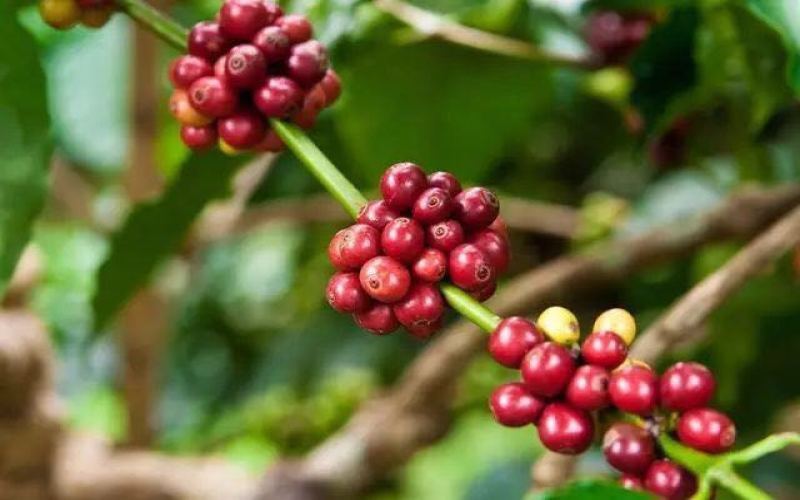
Which countries produce Robusta coffee beans? How do they differ from Arabica? A full analysis of their origins and characteristics.
When first getting into coffee, you often hear baristas mention terms like Typica, Arabica, and Robusta, and many people find them confusing. In fact, these are all coffee variety classifications. There are three major coffee varieties: Arabica, Robusta, and Liberica, with Arabica and Robusta being the most common. Arabica originates from the Ethiopian highlands, has an elegant flavor, and accounts for about 70% of global production; Robusta originated in the Congo Basin of West Africa, is easy to cultivate, has high yields, and is mostly used in commercial blends and instant coffee. In this article, Front Street Coffee will guide you through the origin story of Robusta, its main producing countries, and its detailed differences from Arabica in flavor, appearance, disease resistance, and uses. [more…]
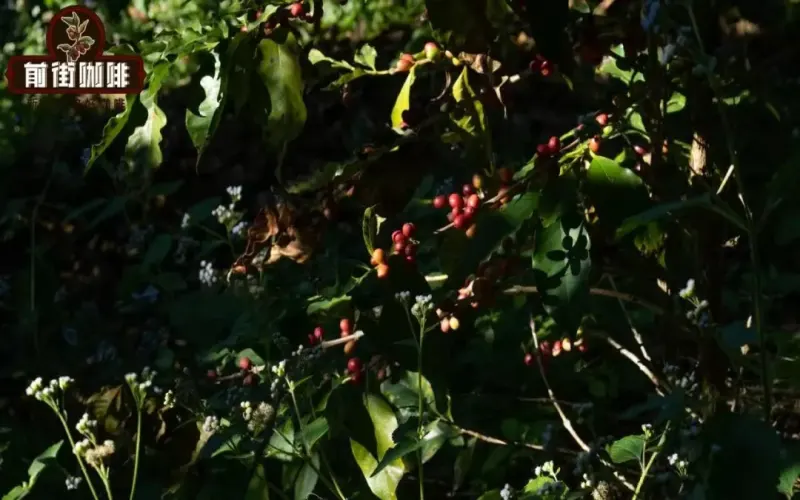
Yunnan Small-Bean Coffee Variety Analysis: Arabica Identity Confirmation and the Generational Shift Between Catimor and Typica
What exactly is Yunnan small-batch coffee? Does it belong to Arabica or Robusta? Why does "Yunnan small-batch" refer to different varieties in different eras? This article clarifies the varietal classification of Yunnan small-batch coffee from two dimensions—plant taxonomy and historical evolution—and takes a deep dive into comparing the core differences between Catimor and Typica in terms of genetic origin, disease resistance, and flavor performance. At the same time, drawing on Front Street Coffee's cultivation and roasting practices in Baoshan and Lincang, Yunnan, it presents two representative Yunnan coffee beans—washed Catimor and Front Street Coffee 2013 Typica natural—along with complete brewing parameters, helping coffee enthusiasts understand the real impact of variety on flavor. [more…]
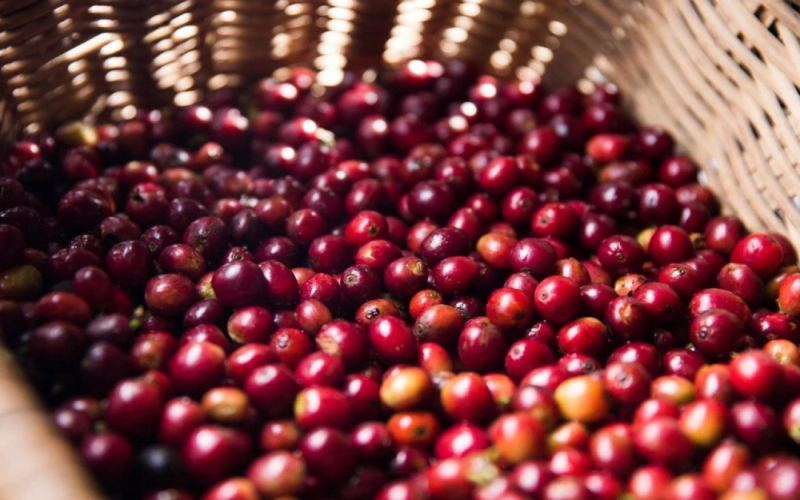
Coffee Bean Variety Guide: Origins and Flavor Profiles of 11 Common Beans Including Typica, Bourbon, and Maragogipe
In the world of coffee, the two great camps of Arabica and Robusta support the daily cup for the vast majority of people, but what truly makes flavors endlessly varied are those ancient names hidden within the variety pedigree: Typica, Bourbon, Maragogype, Caturra, Mundo Novo... They either originate from the primitive forests of Ethiopia or were born from laboratory hybrid breeding, and each one carries a unique origin story and flavor imprint. This article systematically sorts out 11 of the most common coffee bean varieties, from botanical classification to cupping performance, from the elegance of Typica to the sweetness of Bourbon, from the huge size of Maragogype to the floral and fruity aromas of Geisha, breaking down their characteristics, producing regions, and representative beans one by one. Whether you are a pour-over enthusiast or an espresso player, this is a variety guide worth keeping. [more…]
Yunnan Small-Bean Coffee Typica vs. Catimor: A Full Analysis of Variety Characteristics, Flavor Profiles, and Processing Method Differences
Yunnan, as China's main coffee-producing region, has two varieties that attract considerable attention: Typica and Catimor. Typica is an ancient native variety from Ethiopia, elegant in flavor but weak in disease resistance; famous beans such as Blue Mountain and Mandheling all belong to this lineage. Catimor, by contrast, is a hybrid of Caturra and Timor. Because it carries Robusta genes, it is disease-resistant and high-yielding, making it the commercial mainstay of Yunnan. The two differ markedly in mouthfeel, processing method, and grind setting. Front Street Coffee recommends combining honey processing classification with the fruit development cycle to gain a deeper understanding of their flavor trajectories. This article systematically compares the two varieties' varietal background, cultivation performance, and in-cup performance, helping enthusiasts make precise purchasing and brewing choices. [more…]
A Complete Guide to Coffee Bean Varieties: A Flavor Map from Typica and Bourbon to Caturra, Maragogype, and Geisha
The world of coffee is far richer than we imagine. From the two main commercial species, Arabica and Robusta, to classic derivative varieties such as Typica, Bourbon, Caturra, and Maragogype, and on to the Geisha that has been so highly sought after in recent years, every variety carries a unique story of terroir and genetics. This article systematically sorts out the classification system of coffee varieties, explains in detail the origin, characteristics, and flavor performance of each variety, and includes Front Street Coffee's recommended tasting guide to help coffee lovers find their own cup among the dazzling array of beans on the menu. [more…]
A Comprehensive Analysis of the Origins, Flavor Characteristics, and Market Applications of Robusta Coffee Beans
Both are coffee beans, so why do cafes almost exclusively sell Arabica, while Robusta rarely makes an appearance? What exactly are the differences between these two coffees in terms of origin, appearance, growing conditions, caffeine content, disease resistance, and flavor performance? In this article, Front Street Coffee will start with eight common questions to sort through the cultural context and flavor characteristics of Robusta coffee beans one by one, while also analyzing its practical uses in instant coffee and blended beans, to help coffee enthusiasts gain a more comprehensive understanding of this bean variety's unique value. [more…]
Analysis of the Three Major Coffee Varieties: Robusta Characteristics, Arabica Hybrid Breeding, and the Flavor of Yunnan Catimor
In the world of coffee, Arabica, Robusta, and Liberica make up the three major species systems. Among them, Robusta, with its strong disease resistance and high caffeine content, has become an important raw material for espresso blends and instant coffee. This article begins with Robusta's origins and growth characteristics, then takes a deep dive into the genetic advantages brought by its cross-pollination, and traces the breeding history of Arabica-Robusta hybrids such as Timor Hybrid, Catimor, and Castillo. Finally, it focuses on Yunnan small-bean Catimor, exploring its flavor performance after washed processing, as well as its application in Front Street Coffee's espresso blends and pour-over single origins. Whether you are a coffee enthusiast or a industry professional, you can gain practical reference on variety selection and flavor pairing. [more…]
A Comprehensive Analysis of Robusta Coffee Beans: Variety Origins, Flavor Characteristics, and Market Uses
In coffee shops, Arabica beans are almost overwhelmingly dominant, while Robusta rarely appears as a single-origin offering. Both belong to the coffee family, yet they differ significantly in origin, morphology, growing conditions, chemical composition, and flavor profile. From Front Street's perspective, this article addresses one by one the common questions about these two varieties: where Robusta originates, what its bean shape is like, what environmental requirements it has, how large the caffeine content gap is, why its disease resistance is stronger, and ultimately in which coffee products it is used. Whether you are a beginner just getting into coffee or an advanced enthusiast wanting to understand blending logic in greater depth, you will gain clear insight from it. [more…]